
Average Architecture

Towns with a rich history often feature remarkable architectural marvels, including churches, town halls, palaces, and castles, leaving an impression on people through their beauty and craftsmanship. I too, am fond of such architectural wonders.
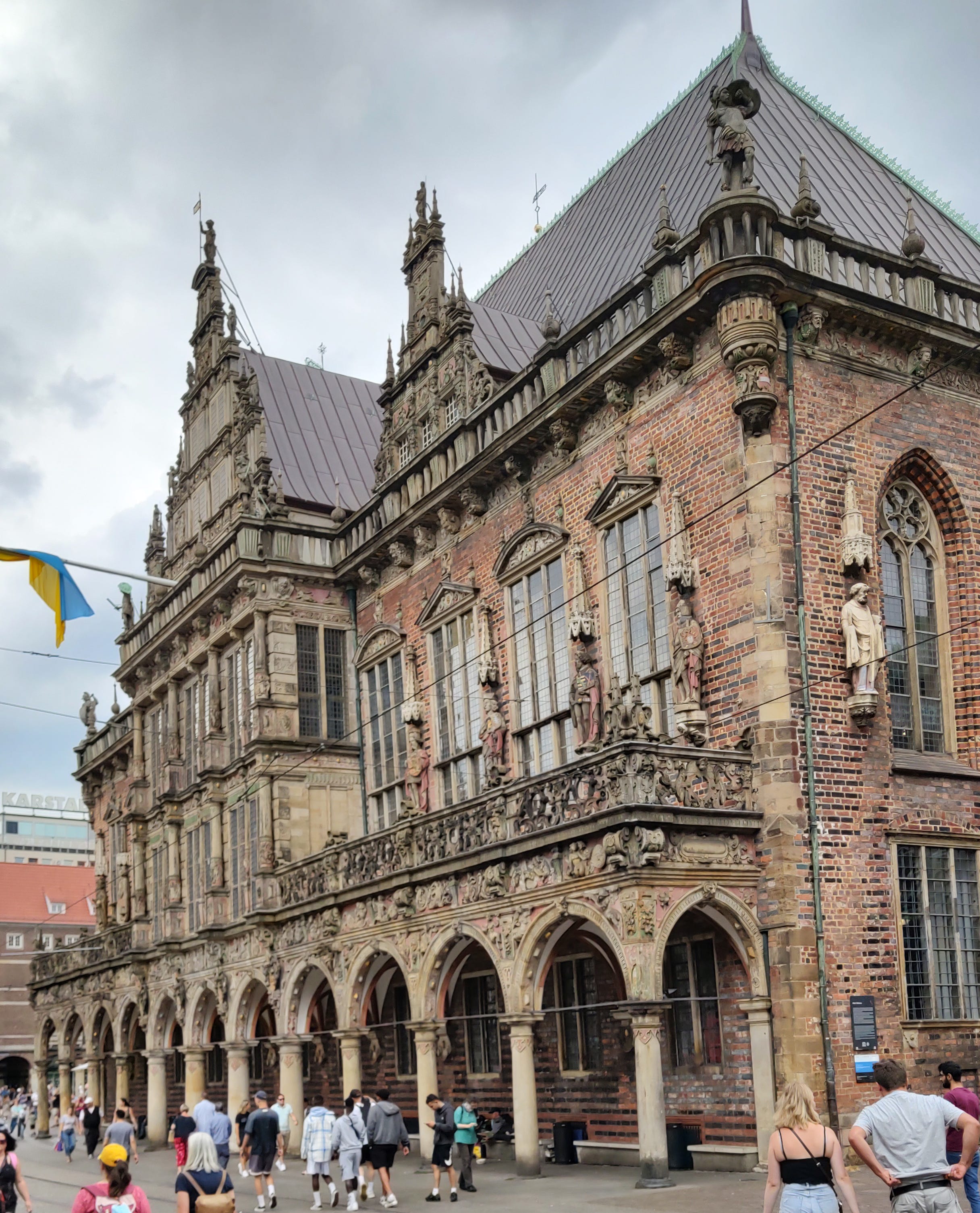
Amid these architectural wonders, one encounters buildings that might be considered "ordinary" or “average” in comparison. These buildings do not stand out or catch ones eye; they are not commonly photographed and will not serve as wedding venues. Yet, it is these buildings that are the glue that holds the urban environment together and embody the architectural and aesthetic character of the town. I find them usually quite fascinating.
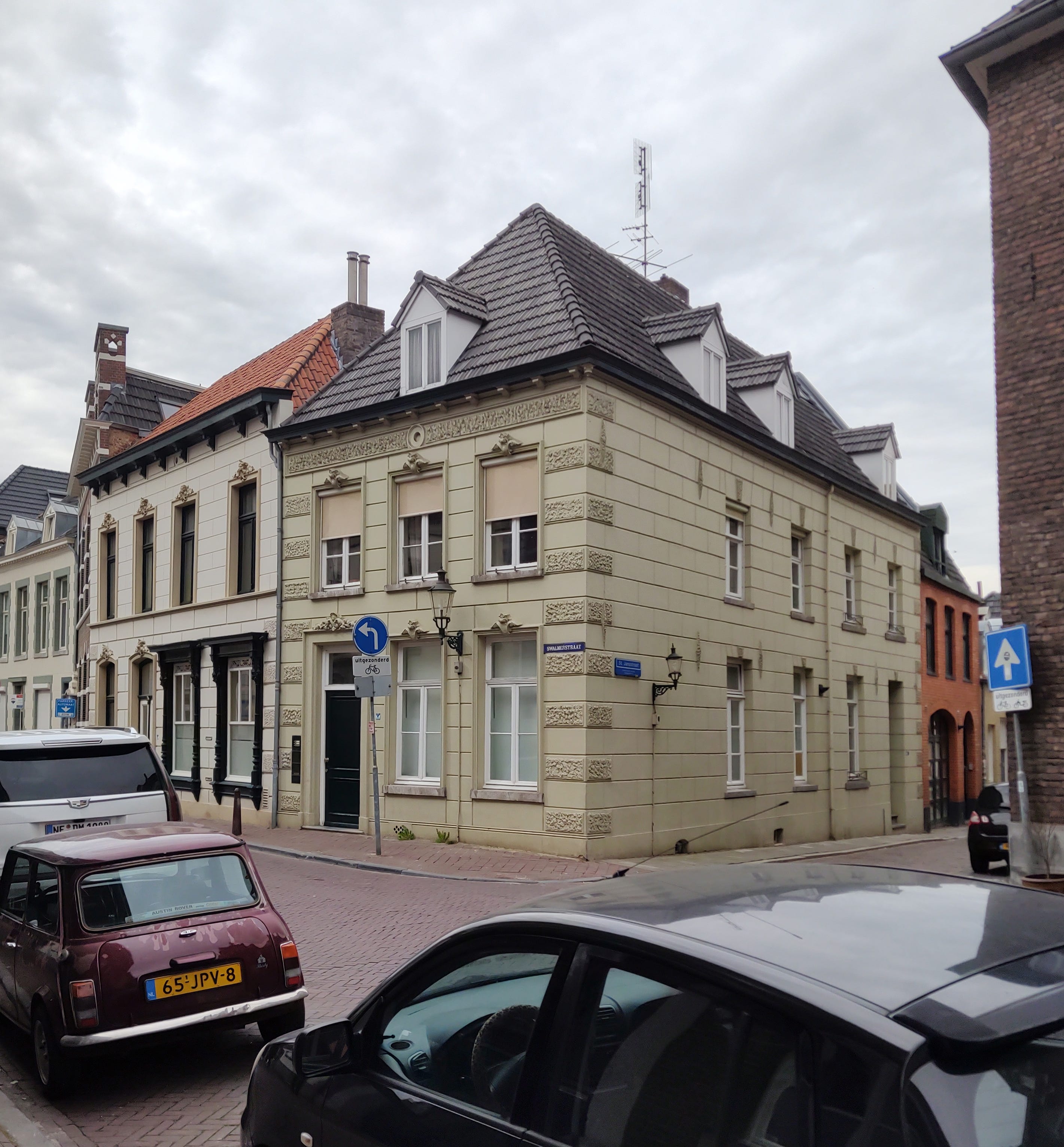
The buildings above are a good example of the type of architecture I am referring to. These types of buildings will not leave one awe-struck. Without trying to sound too pretentious, they often go unnoticed by the general public and I think they deserve more consideration. The architecture of a town is more than just the highlights.
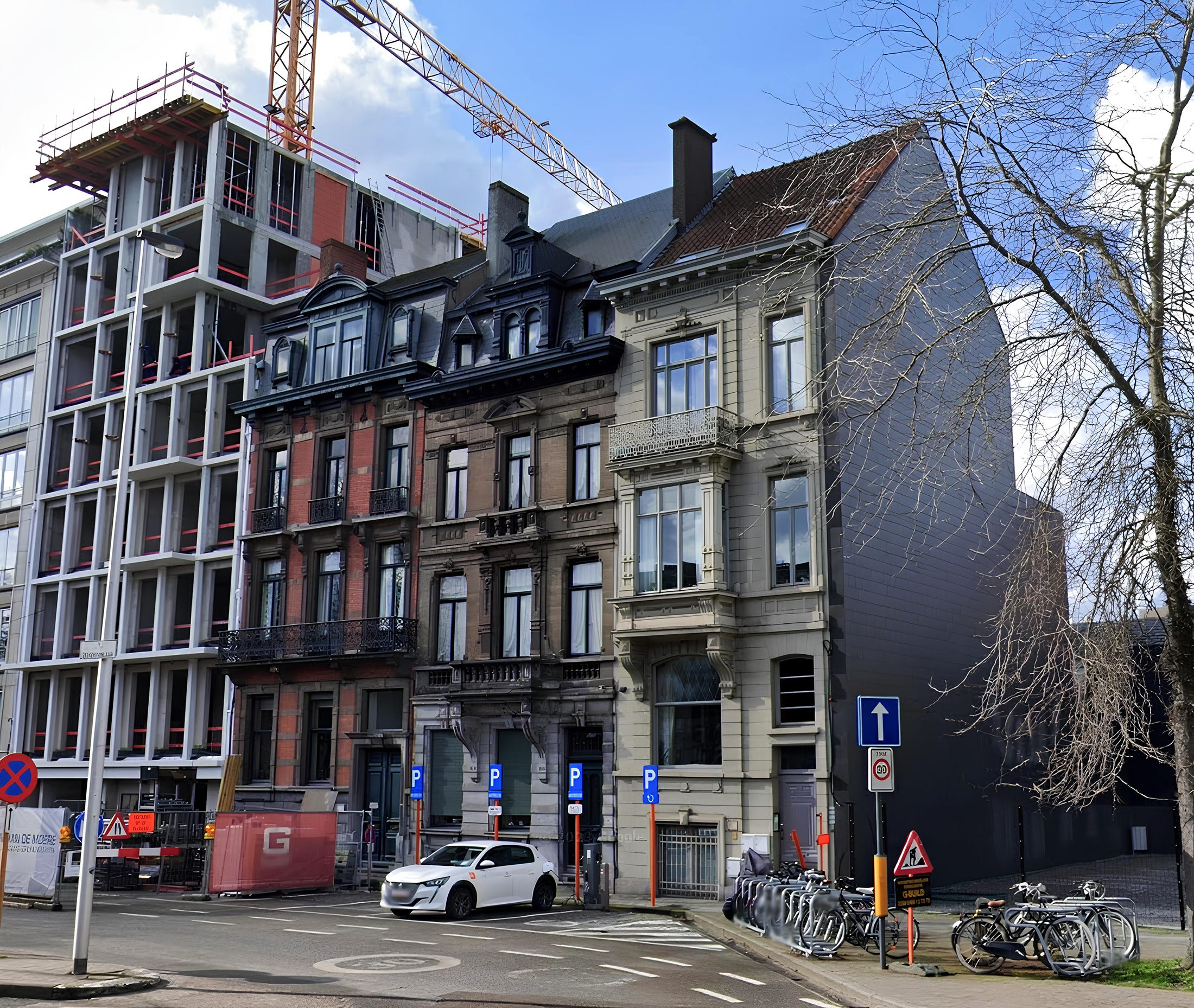
Many 19th century architectural works could also be categorized as “average”. The corner building below, despite its elegance and grandeur, will be viewed as "average" by many, as it blends into the urban maze. It is not a prominent structure like a town hall, railway station or concert hall, but rather “just” another building, thus not attracting much attention from passersby. This understated kind of architecture is, for better or worse, often taken for granted by people. The aesthetic value these buildings silently provide is worth acknowledging.
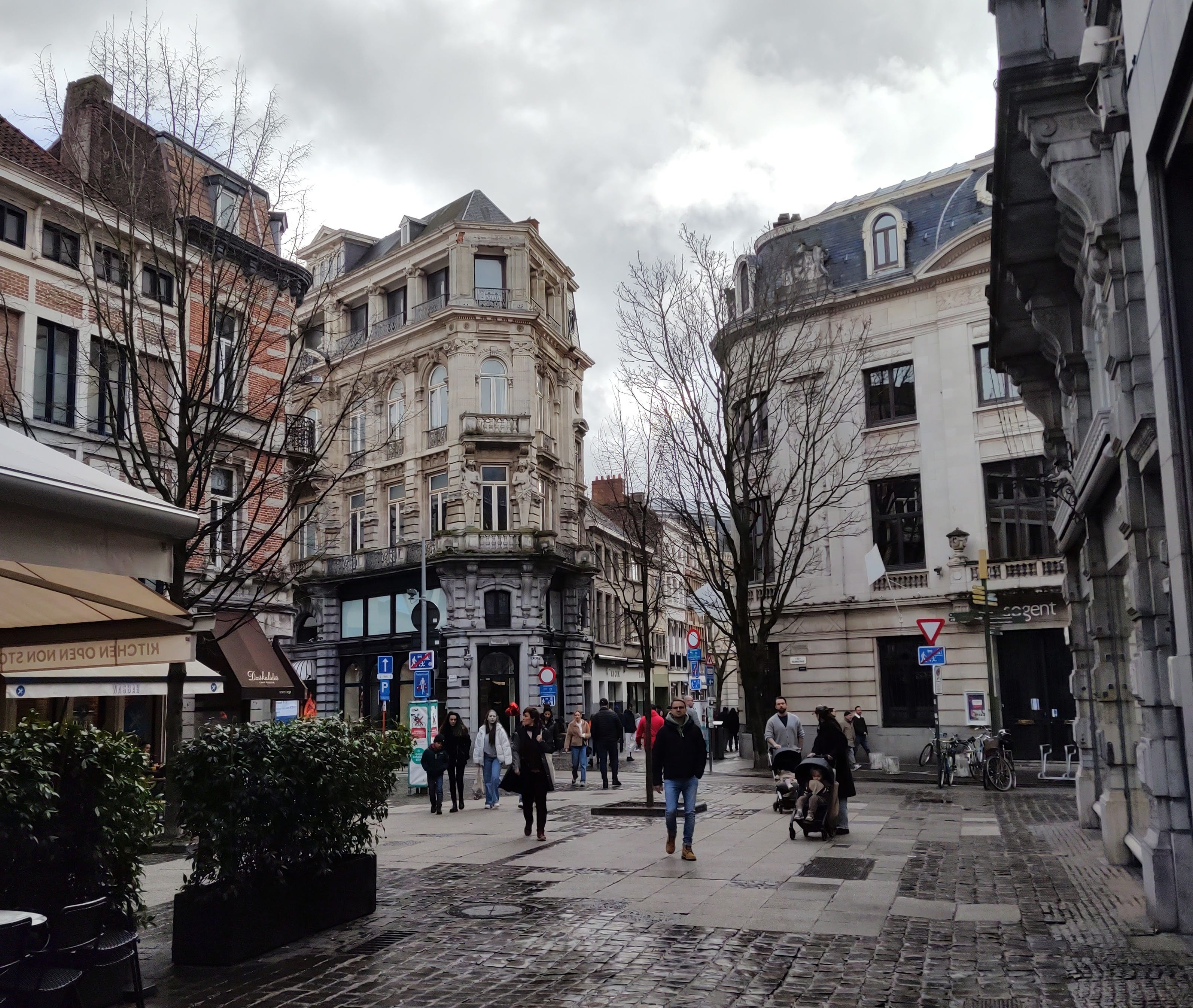
Particularly in Belgium, I often see 19th century architecture that undeniably has aesthetic qualities, but which tends to be overlooked by the general public. Partly due to these buildings being situated in unfortunate locations and/or sometimes appearing quite rundown.
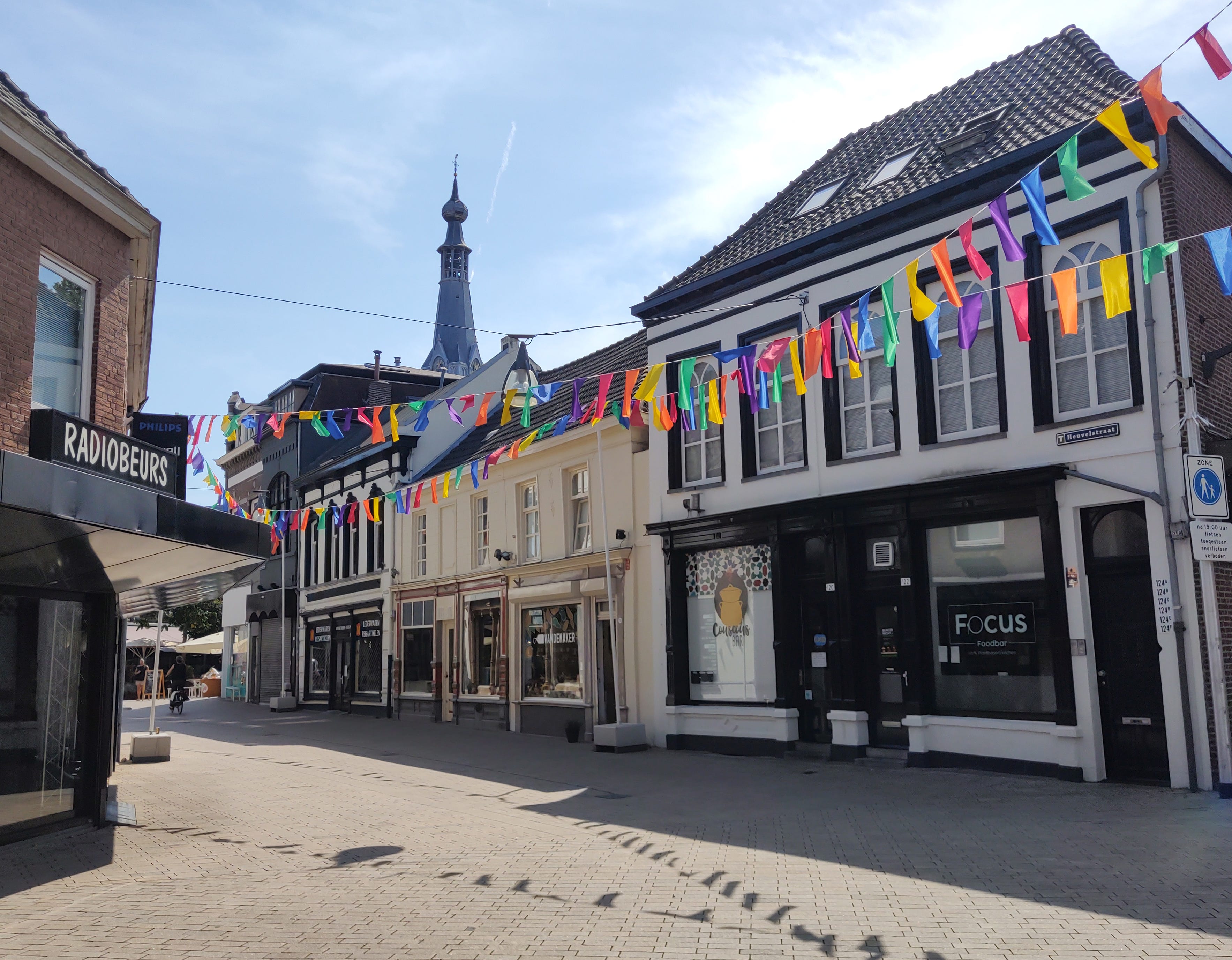
Of course, not all “average” architecture is interesting. I actually find a lot of vernacular architecture in the Netherlands rather pedestrian and parochial. So I guess that in some ways, I am contradicting myself. There are certain architectural aesthetics that I have never been fond of, two of which are pictured below. I am not in the camp that believes that all pre-war architecture is charming or beautiful, which should tell you how low my opinion of post-war architecture is, which I consider to be much worse than even pre-war architecture I dislike.


I am not even sure what the point is of this post. Part of me wants to argue that “average” buildings shape the city, or at least define its character. They are the unsung heroes. Furthermore, I find that the quality of pre-war architecture is frequently so exceptional that even the more obscure and less notable buildings can be quite interesting in and of themselves.
I also find interesting towns that lack architectural highlights, but nevertheless are home to a reasonable amount of average architecture. I am thinking of towns like Venlo, Weert, Tilburg, Hoogstraten, Vlaardingen, Roosendaal, Meppel and Turnhout. These towns might perhaps not be worth visiting, yet one could still stumble upon interesting buildings here and there. I find it difficult to simply write off these towns as being uninteresting.
God bless average architecture.


Very good point about all the 'average' buildings that don't get much attention but do a lot of work keeping the urban fabric together. Personally, I do stop and look at such buildings (and sometimes take pictures), perhaps as a mental balm on all the wounds caused by modern architecture. I remember staring keenly out of the tram in Amsterdam once going down the sort of ordinary street that is never pictured in the tourist materials—but full of beautiful 'average' historicist buildings.
There is indeed nice and not so nice traditional architecture, but even the very 'average' stuff in your last examples (Amsterdam, Rotterdam, Roermont, Brussels) is still contributing to the urban fabric, if humbly so, rather than tearing it apart like invasive modern architecture.
Voldemort´s little sis detected on picture 4